 Infrastructure
White Paper & Ebook
Designing Autonomous Infrastructure for Persistent Security Coverage
How towers, launch systems, sensors, and software function as one operational layer.

Get guides, ebooks, and white papers on autonomous infrastructure, security operations, coverage, command and control, and the deployment of intelligent systems across complex environments.
Infrastructure
Security at scale requires more than isolated hardware. This paper examines how towers, aerial systems, sensing, and command software can operate as one infrastructure layer to improve coverage, reduce response gaps, and strengthen day-to-day operations.
→ Read Now
Infrastructure
How towers, launch systems, sensors, and software function as one operational layer.
 Coverage
Evaluating blind spots, patrol reach, response time, and the value of mobile sensing.
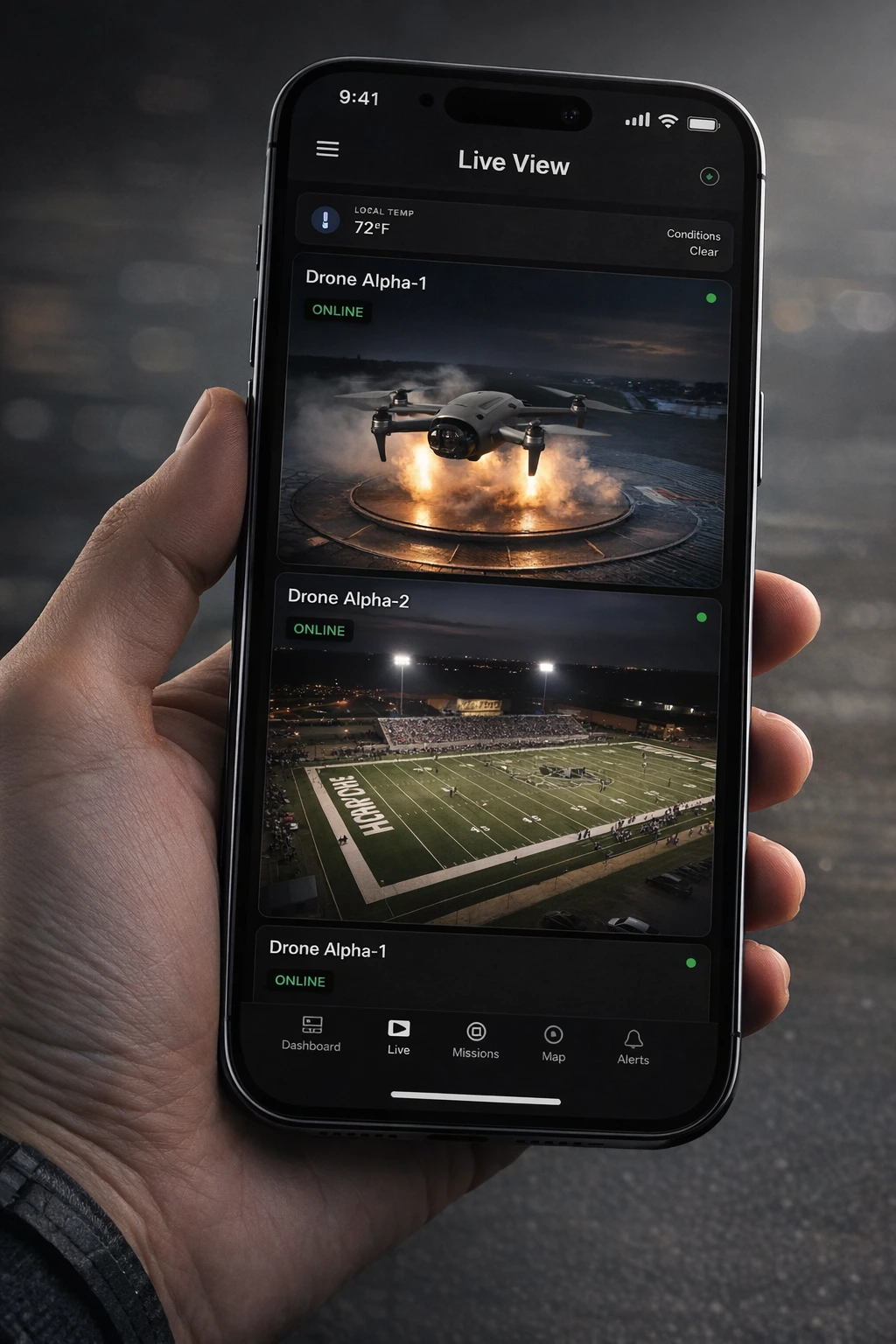 Entry Control
A practical framework for connected access, verification, and site-wide awareness.
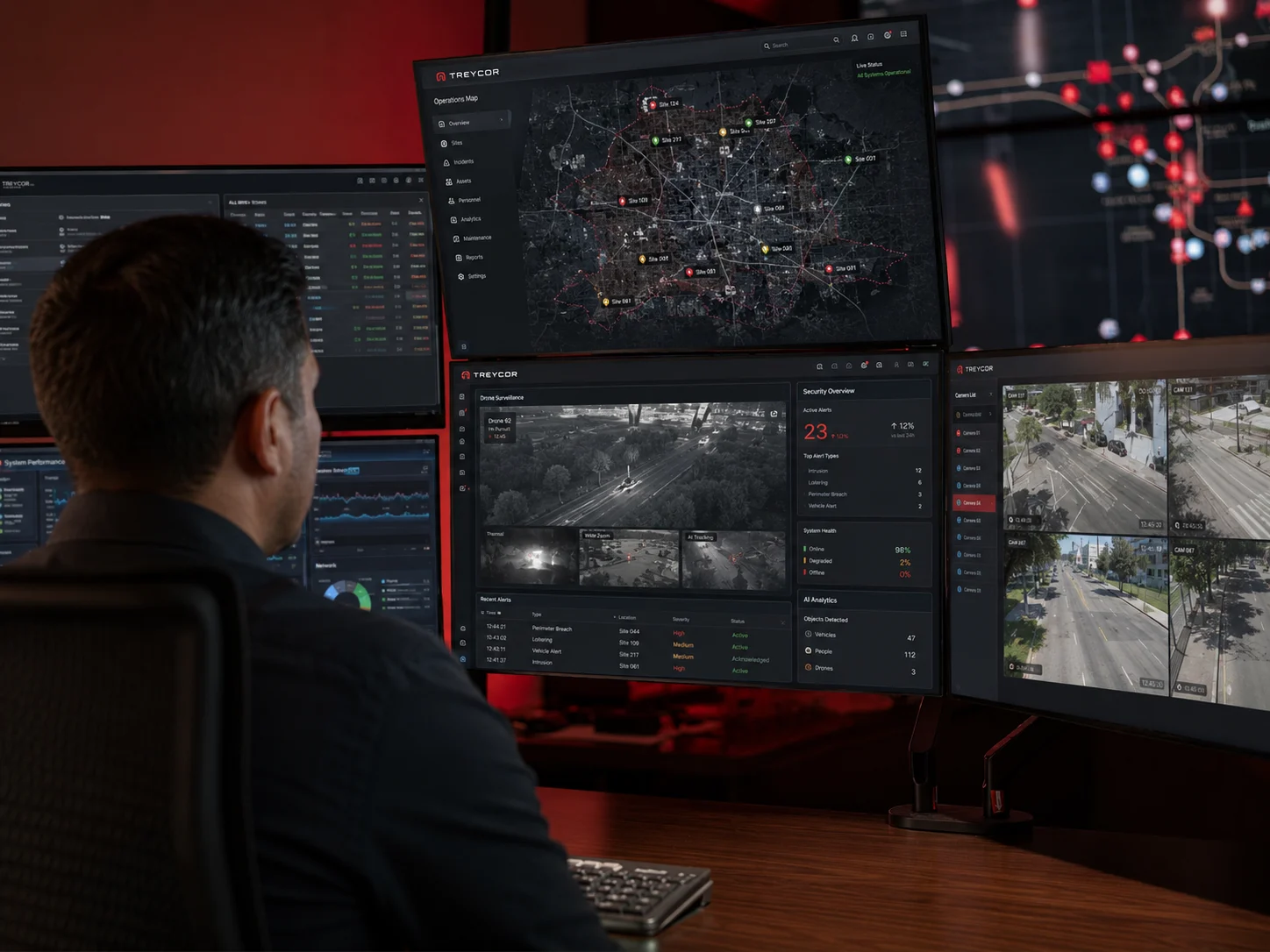 Command
How operators turn live feeds, alerts, and autonomous assets into coordinated action.
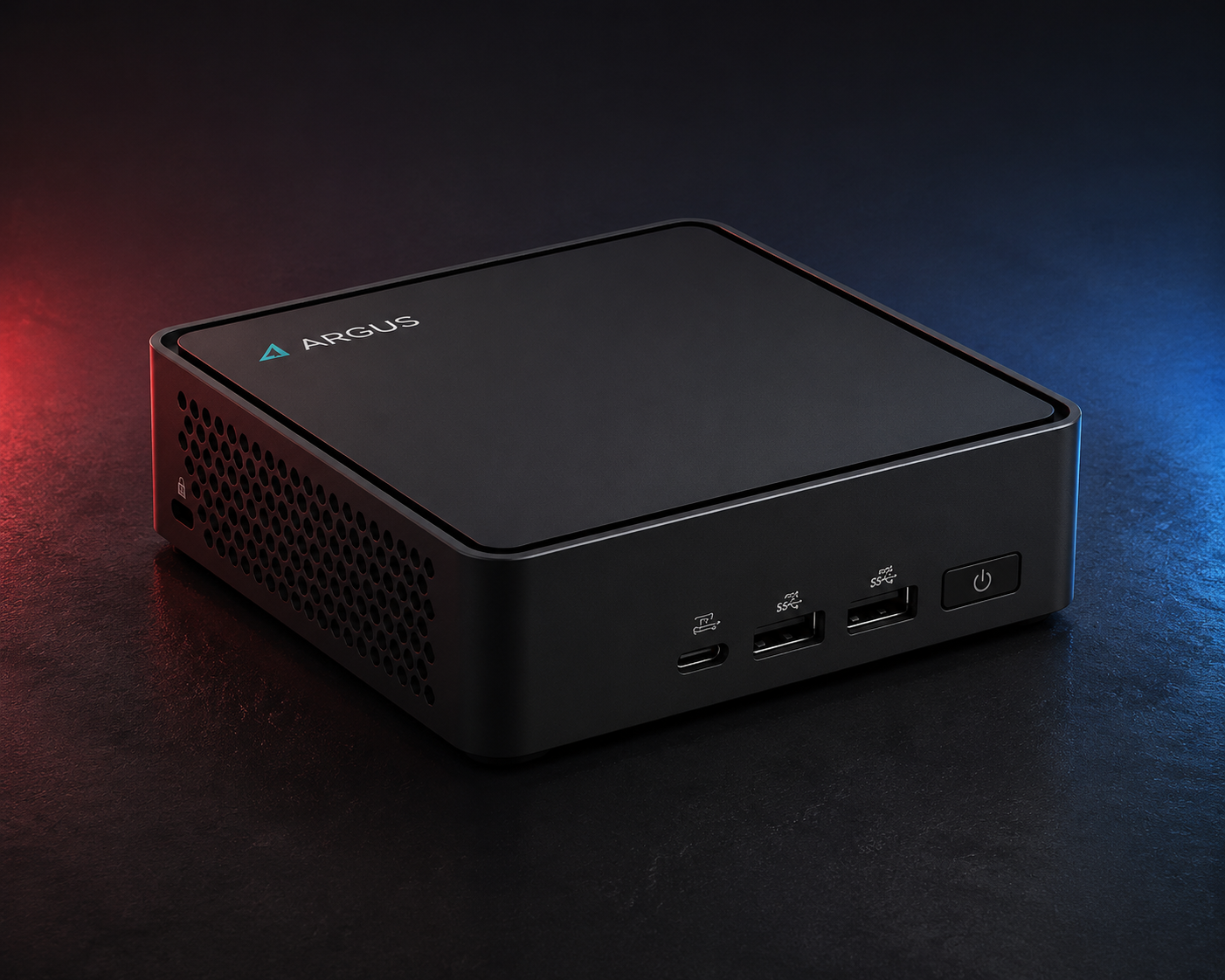 Detection
Why faster verification matters as much as faster detection.
 Commercial
Coverage models for campuses, logistics sites, resorts, and large private environments.
Deployment
Placement, power, communications, launch areas, and operational requirements before go-live.
Remote Operations
How a central operating layer can supervise multiple sites and coordinate live response.
Metrics
A practical KPI framework for evaluating persistent security across large environments.
 Federal
Applications for monitoring, perimeter defense, continuity, and operational resilience.
Critical Infrastructure
Extending visibility and response coverage across essential facilities.
Connectivity
Why resilient communications matter when command, sensing, and autonomy must stay online.
 Maritime
Applying mobile aerial sensing and infrastructure-based monitoring across waterfront environments.
Sensor Fusion
Combining fixed cameras, autonomous assets, alerts, and operator oversight across a waterfront site.
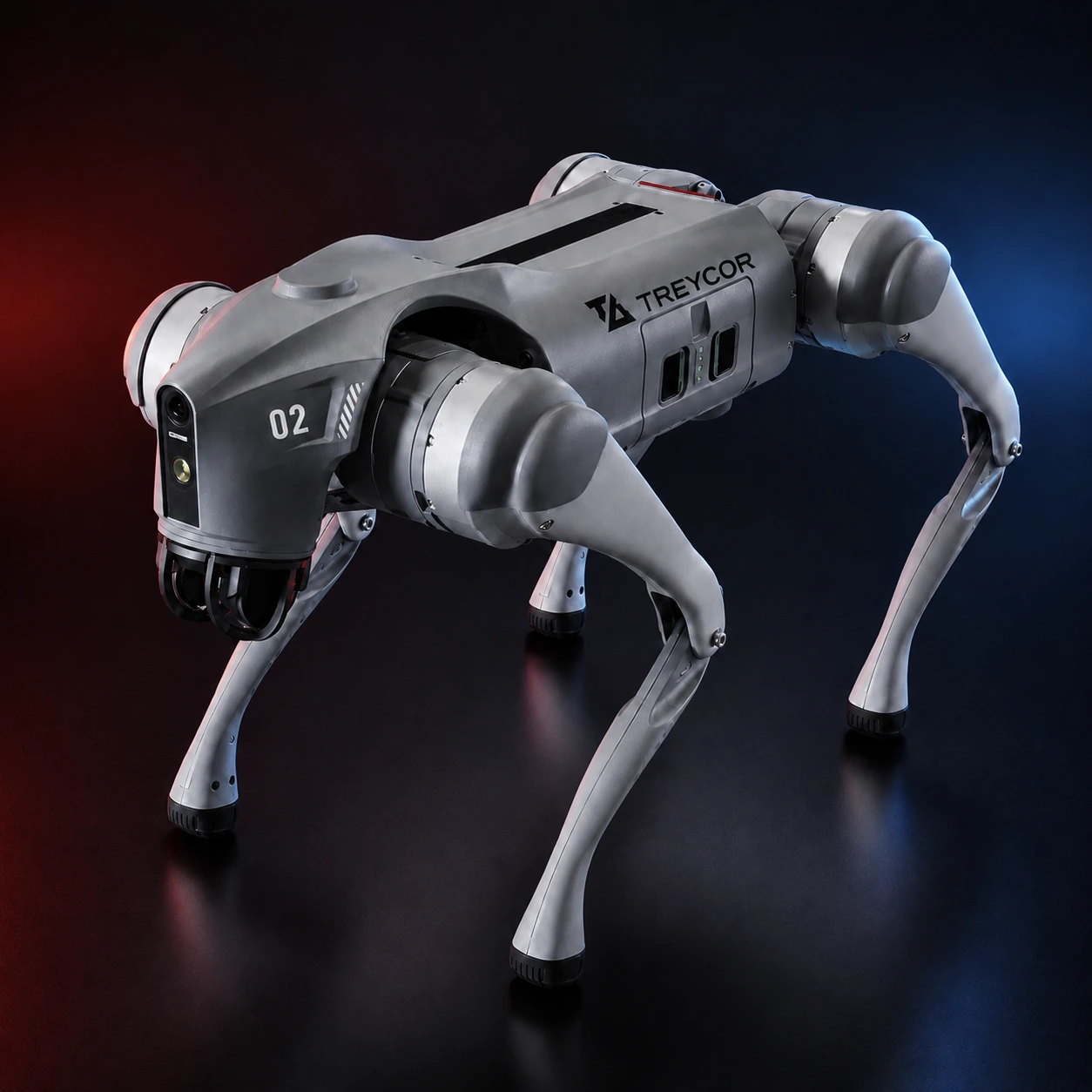 Air + Ground
How mobile systems can complement fixed infrastructure and extend security reach.
Hospitality
Extending awareness across parking, guest entrances, service corridors, and loading zones.
Logistics
Reducing blind spots across yards, loading zones, storage areas, and after-hours operations.
Communities
Connecting entry control, mobile oversight, and perimeter awareness into one operating model.
Integrations
How legacy video systems can remain useful inside a broader autonomous security architecture.
Human Oversight
Where automation should act, where operators should decide, and how the two work together.
Economics
A framework for comparing fixed staffing, fragmented technology, and autonomous infrastructure.
Resilience
Redundancy, connectivity, power, and degraded-mode planning for mission-critical environments.
Response
Using live intelligence to reduce uncertainty before personnel are committed to an event.
Autonomous Patrol
Coverage zones, mission frequency, response priorities, and event-driven patrol design.
Guard Operations
A coordinated operating model for personnel working alongside intelligent infrastructure.
Governance
Permissions, escalation, auditability, and accountability in human-supervised operations.
Deployment
Moving from site assessment to infrastructure placement, integration, testing, and live operations.
Review infrastructure placement, command workflows, entry control, and how autonomous systems can strengthen visibility and response across your environment.
→ Get a Briefing
PRIVACY CONTROL
Essential technologies keep Treycor.com secure and operational. With your permission, additional technologies help us understand performance and improve your experience.